
What to know
- UNICEF reports 1,144 children killed or injured in Ukraine between January and October 2026
- The figures represent UN-verified casualties, not a complete count
- Winter preparations focus on heating, safe learning and essential services
Republished from Khojipedia with permission of the shared owner.
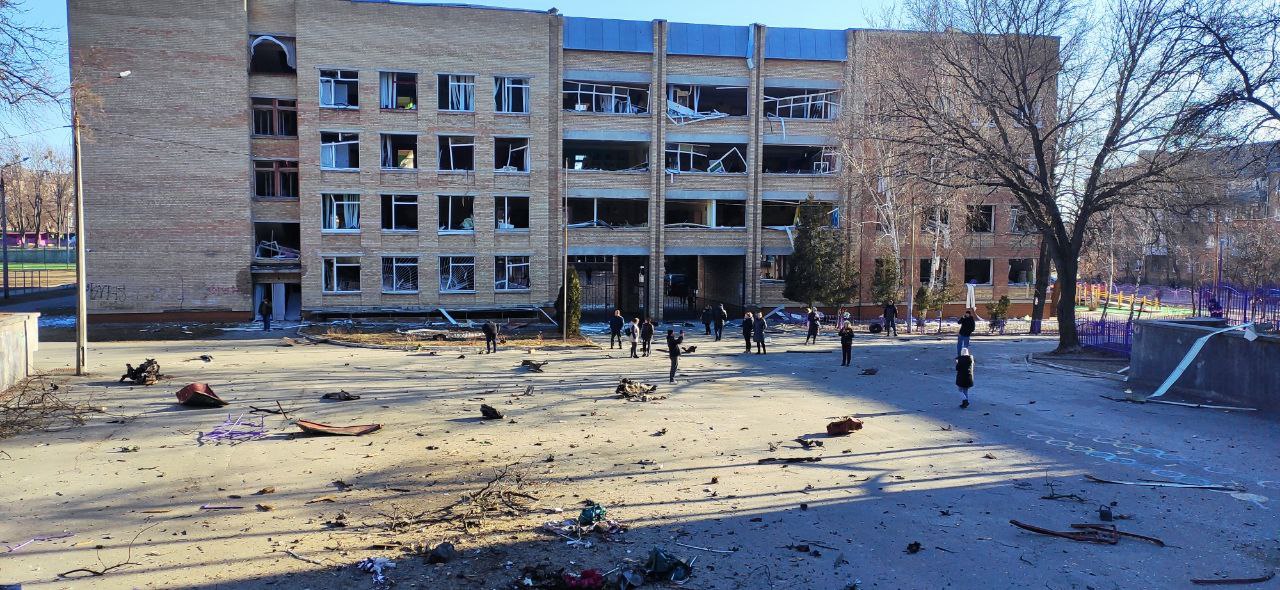
More than three children a day were killed or injured in Ukraine during the first ten months of 2026, UNICEF says, warning that the danger facing families is deepening as winter approaches.
In its November 20 statement, UNICEF cited UN Human Rights Monitoring Mission figures documenting at least 114 children killed and 1,030 injured between January and October: 1,144 casualties in total.
The agency said the verified toll was higher than in any of the previous three years. By October, child deaths had exceeded the full-year 2025 total by more than 20 per cent, while injuries were almost 60 per cent higher.
October alone accounted for at least 146 children killed or injured, a 150 per cent increase from October 2025. The figures are verified minimums; they should not be read as a complete measure of the harm children have suffered.
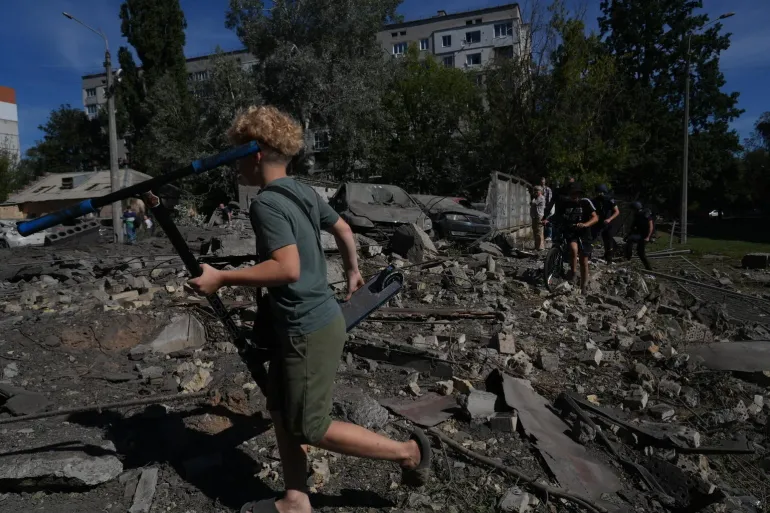 Source: UNICEF, Kyiv’s Solomianskyi district, August 20, 2026. Photo: UNICEF/UN0910786/Filippov. Children carry a scooter and a bicycle through debris after an overnight attack.
School days interrupted
For children who survive attacks, the disruption reaches into ordinary routines: attending class, seeing friends and returning home to a warm room.
A separate UNICEF account published November 20 describes school days repeatedly interrupted by air-raid sirens. Children must move between classrooms and shelters, sometimes several times within a few hours.
Data covering the start of the 2026–2027 school year through October 20 showed an average of 34 hours of alarms during school time, equivalent to more than 13 per cent of scheduled learning hours. Alarms occurred on nearly two-thirds of school days during September and October, compared with roughly one-third a year earlier.
Those interruptions show why protecting education requires more than repairing damaged buildings. Children also need reliable shelter, heating and the support that allows learning to continue during repeated emergencies.
Preparing for another winter
UNICEF’s 2026–2027 winter response appeal, launched in July, sought US$160.5 million to support three million people, including 540,000 children.
The plan includes district heating repairs, cash assistance, energy support for health facilities and grants intended to keep schools warm enough for in-person learning. It also includes protection services for children at risk.
These are practical measures with connected effects. Electricity helps keep water systems and medical equipment operating; functioning heating allows classrooms, clinics and homes to remain usable when temperatures fall. A damaged utility network can therefore affect a family well beyond the location of an attack.
The appeal sets out planned assistance and funding needs. Its targets should not be confused with confirmation that every household or facility has already received support.
Children’s protection is a legal obligation
The International Committee of the Red Cross explains that children affected by armed conflict are entitled to special respect and protection under international humanitarian law, alongside the protections they receive as civilians.
That protection addresses more than immediate survival. War can separate children from relatives, interrupt their education and leave lasting physical, psychological and social consequences.
The casualty count records verified deaths and injuries. Keeping children safe also requires access to healthcare, family support and education, and protection for the essential services on which their daily lives depend.
Sources & further reading
Primary sources for context and deeper reading.